When Delhi NCR Homes Are Taken Over by Cockroaches

What Delhi NCR Households Should Know About Cockroach Infestation

Cockroach infestation in homes is a structural reality connected to the construction and use of urban residences throughout Delhi NCR, not a sporadic annoyance. Sightings frequently start in kitchens or bathrooms and gradually move to storage areas, cupboards, and living areas in both individual floors and high-rise flats. The existence of hidden access points that continue to function regardless of surface hygiene is what causes this problem to persist rather than a lack of cleanliness.

For many households, the issue only becomes apparent when activity picks up, which is frequently late at night. By then, the infestation has already taken root in interior areas that are seldom examined or cleaned.

Why This Problem Is Common in Delhi NCR's Urban Homes

Delhi NCR’s contemporary home designs mostly rely on tightly fitted interiors, hidden conduits, and shared drainage systems. In addition to creating uninterrupted interior passageways that facilitate transit between floors and adjacent units, these designs also enhance aesthetics and space efficiency. Untreated drain lines, pipe couplings, and wall cavities can cause problems for even recently built buildings.

Areas Connected to Drains as Main Entry Points

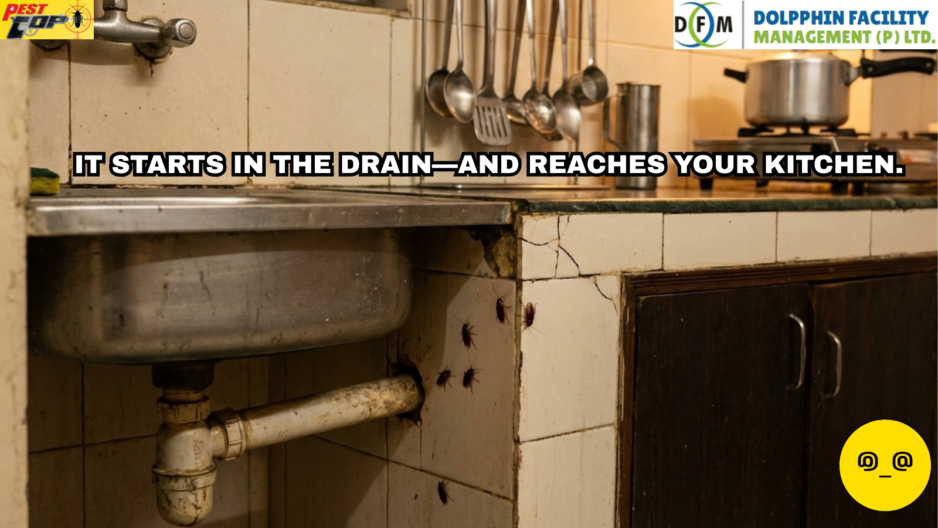
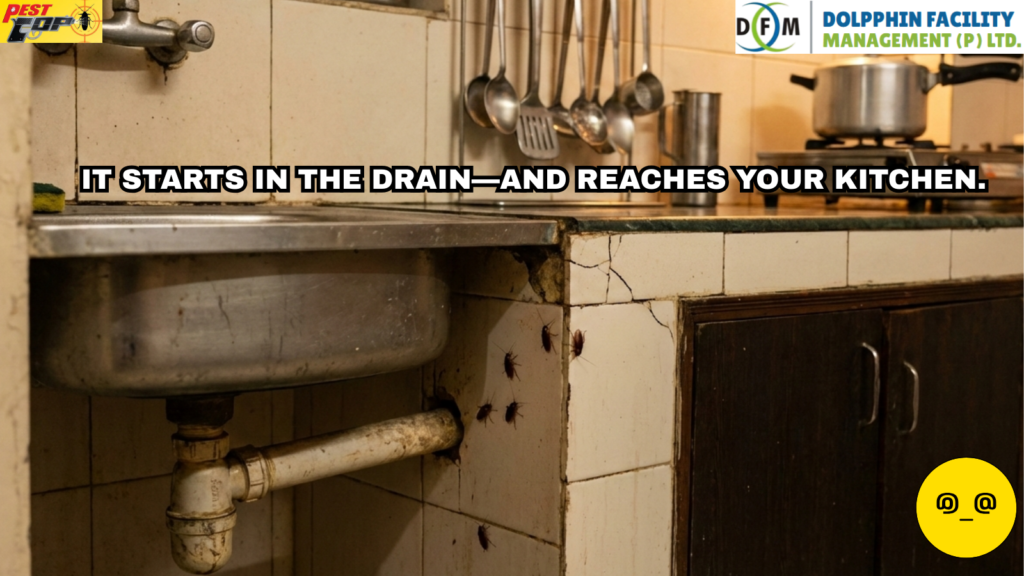
Because they are connected to internal drainage lines, kitchen sinks and bathroom floor traps are always wet. Particularly when combined with food leftovers and warmth, these factors provide perfect conditions for refuge and mobility. This explains why activity is most frequently observed at night, when households are peaceful and undisturbed.
delhi ncr

How Kitchens Eventually Turn Into High-Risk Areas

Because they provide access to food, water, and warmth, kitchens naturally draw activity. Once inside, mobility includes counters, shelves, cutlery, and storage bins in addition to sinks. This eventually results in poor hygiene and increasing discomfort when using the kitchen on a daily basis.

The Ignored Places That Allow Silent Spread

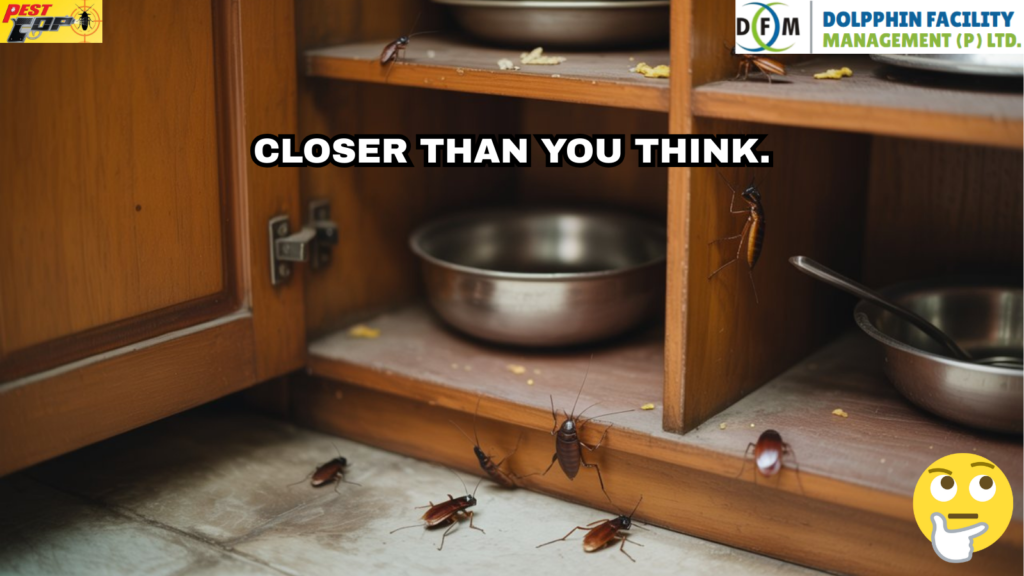
Kitchens receive prompt treatment, but infestations never stay in one place. Wooden furniture, shoe racks, wardrobes, and storage cabinets frequently turn into secondary zones. Because fewer people visit these areas, activity might go on unannounced.
delhi ncr

Restrooms and Hidden Gaps

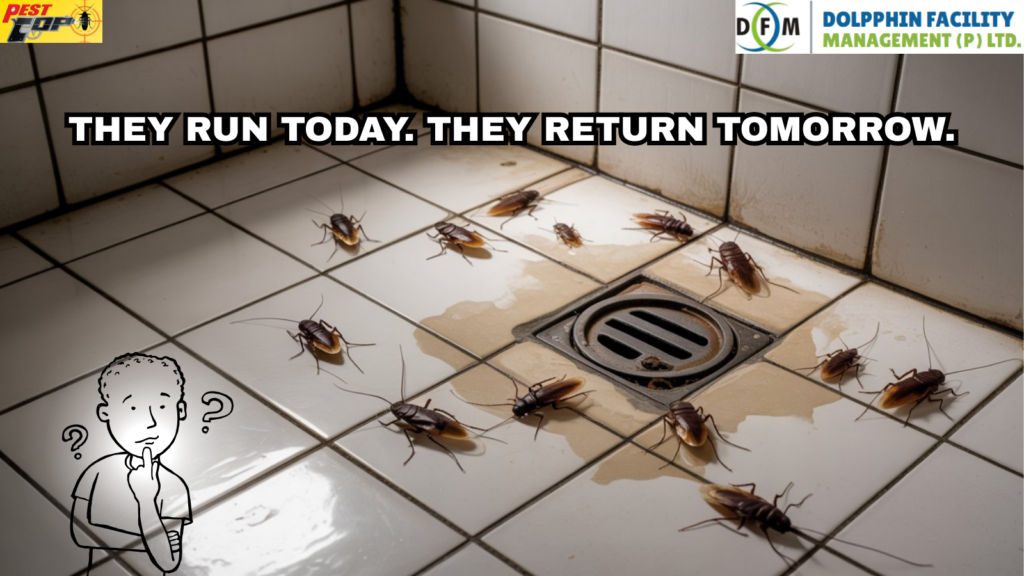
Secondary access points are restrooms that are linked to shared drainage networks. Floor traps, pipe apertures, and hidden wall gaps—a distinguishing characteristic of Delhi NCR residential infrastructure—maintain moisture throughout the day, especially in multi-story buildings.
delhi ncr

Why Take Short-Term Actions Provide Immediate Outcomes

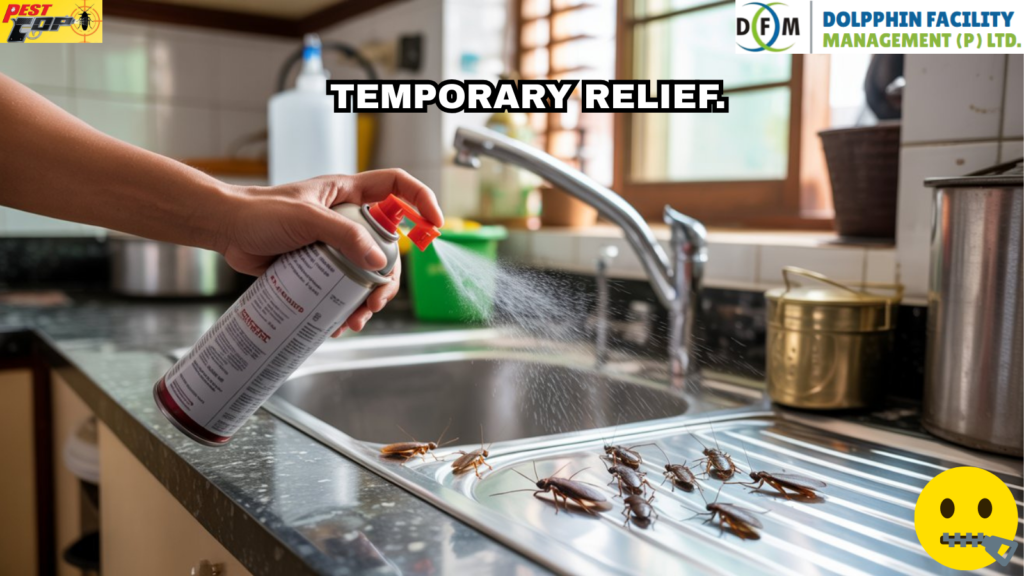
The majority of homes react to sightings with hasty, superficial fixes. These techniques do not address interior nesting zones or entry paths, even though they might momentarily lessen visual activity. As a result, activity resumes, frequently with more scope than previously.

Comprehending Source-Based Control

Focusing on the cause rather than the symptoms is necessary for effective control. This entails addressing concealed resting places, drainage connections, and internal cavities—a strategy that cannot be accomplished by surface treatment alone.
delhi ncr

The Effect on Daily Life

Cockroach infestations in homes have an impact on tenants’ perceptions of their own environments in addition to hygienic issues. Moving around at night causes persistent discomfort, storage spaces become uncomfortable to use, and kitchens become unreliable. Even well-kept homes eventually start to feel compromised.

Infrastructure, access points, and the shortcomings of surface-level solutions are the real problems here, not carelessness.

An Organized, Long-Term View

Considering the home as a networked system leads to sustainable control. To interfere with internal movement and breeding cycles, storage units, kitchens, restrooms, and hidden cavities must be addressed collectively. This integrated strategy becomes crucial in an area like Delhi NCR, where dense residential layouts and shared plumbing are typical.

why choose us

Conclusion

A larger issue related to shared infrastructure and urban living is shown by cockroach infestation in homes in Delhi NCR. The first step to a meaningful resolution is to comprehend the structural basis of the problem. Rather than depending on recurrent short-term fixes, long-term outcomes depend on resolving internal access points and hidden zones.

This knowledge serves as the cornerstone of Dolpphin Facility Management’s (DFM) strategy. With expertise in residential settings in Delhi NCR, DFM concentrates on organized, source-based solutions intended for long-term efficacy—assisting households in maintaining clean, comfortable living spaces without frequent disruption.

FAQs

Indeed. Internal moisture, temperature, and secret access points are not eliminated by clean surfaces. No matter how clean the surface is, drain lines, hidden gaps, and closed storage compartments continue to function.

Throughout the day, drain connections stay warm and moist. Particularly in houses connected by shared drainage systems, these circumstances permit flow from internal pipelines into residential areas.

Only what is visible is affected by sprays. Cabinets, wall cavities, and drain interiors are examples of hidden regions that are left untreated, making it possible for the problem to resurface when the surface effect wears off.
Why Delhi Pigeons Are Becoming Critical Urban Issue

Delhi's Growing Urban Reality

Delhi's Growing Urban Reality

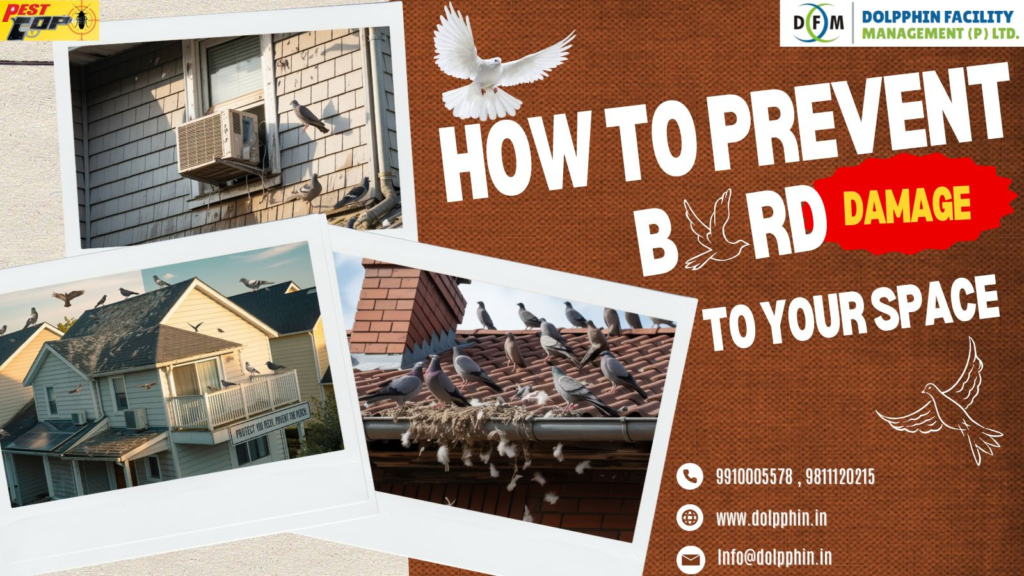
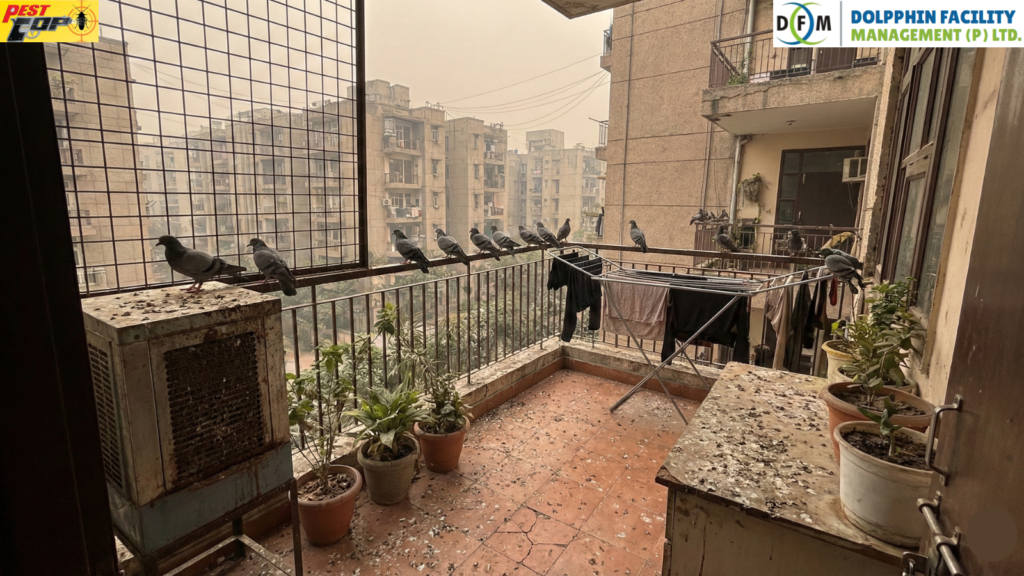
Residents of Delhi’s flats, workplaces, and private residences are quietly coping with an issue that appears innocuous at first glance but has potentially grave impacts: pigeons. Every Delhi resident is all too familiar with the scene: when you open your balcony door in the morning, you are presented with a chaotic area full of dried droppings, feathers strewn everywhere, noisy cooing, and occasionally even a brand-new nest that has emerged overnight. In many places, including Laxmi Nagar, Rajouri Garden, Rohini, Shahdara, Dwarka, Mayur Vihar, and even affluent societies in Gurugram and Noida, pigeons have become a crucial component of everyday life; thus, the problem is no longer only about “one or two birds resting for a while.”

And while most people pass it off as a normal city problem, the health dangers associated with these birds—especially their droppings—are far more significant than the average home thinks.

Over time, many Delhi families only contact Dolpphin Facility Management when the situation becomes intolerable—balconies turning black with guano (droppings), the stench becoming intolerable, children developing inexplicable allergies, or elderly parents complaining of dyspnea whenever they sit close to windows. Some consumers even tell how they stopped drying laundry on balconies because pigeons wouldn’t stop sitting there, creating stains and making the place unclean. Even though these everyday annoyances might not seem like much, they add up to a far greater health and sanitation problem for the entire city.

health risks of birds dropping

The Hidden Health Risks of Pigeon Droppings

A Delhi Concern We Don’t Talk About Enough)

Most people in Delhi feel pigeon droppings are just unpleasant or ugly to look at, not anything that can truly impact their health. But the truth is, pigeon droppings, feathers, and nests bring genuine, medically recognized risks, especially when they dry up. In many families we visit, the family had no idea that every time dry droppings are disturbed—by sweeping, wind, a cooler, a ceiling fan, or even a child playing—airborne fungus spores and germs get released straight into their breathing space. These small particles are easily inhaled, settling in the lungs where they can cause infections, inflammation, and long-term respiratory difficulties. People who already deal with asthma, sinus issues, dust allergies, or weak immunity are at much higher risk. We regularly find this tendency in Delhi houses with elderly parents, tiny kids, or pets—the most vulnerable groups. Hypersensitivity Pneumonitis, One of the most serious side effects of frequent contact with pigeon droppings and feathers is pneumonitis, often known as Bird Fancier’s Lung. It starts with moderate symptoms like chronic cough or shortness, but over time, it can progress to significant lung inflammation and even scarring. Chronic exposure has been observed to reach a point in severe cases when patients may need long-term steroid medication or possibly be evaluated for lung transplants. Fungal infections, which flourish in Delhi’s warm temperature and accumulated pigeon droppings—particularly in areas like AC outdoor units, balcony corners, and shaded window sills—are another issue. Histoplasmosis and cryptococcosis are the two main fungal illnesses associated with pigeon droppings. At first, histoplasmosis may seem like a tenacious flu, but if left untreated, it can become a serious lung infection. Cryptococcosis is significantly more dangerous, especially for immunocompromised persons, as it can travel from the lungs to the brain and cause meningitis. Additionally, bacterial infections caused by pathogens such as Salmonella and Chlamydia psittaci are prevalent but seldom identified. Many people in Delhi suffer from fever, body aches, dry coughs, or symptoms similar to pneumonia without recognizing that the pigeons building their nests on their balconies may be the cause.

Why Delhi's Pigeon Issue Is Getting Worse

Why Delhi's Pigeon Issue Is Getting Worse

One main factor has contributed to Delhi’s pigeon population growth: people continue to feed them. In several markets, communities, and parks—Karol Bagh, Chandni Chowk, Connaught Place, and Patel Nagar—you’ll find individuals throwing grains every morning in big numbers. This continual feeding produces an artificial food source, encouraging pigeons to reproduce quickly and stay close to human populations. The more food they get, the more they multiply, and the more they start occupying residential spaces. The ideal shelter is also offered by Delhi flats, which have underutilized balconies, AC units, narrow ledges, shade, and warmth. Pigeons prefer these areas because they feel safe and undisturbed, and once one pigeon chooses a place to nest, several will follow. Over time, the collection of droppings turns into a hygiene issue, and within weeks, families begin noticing allergies, stains, foul smells, or even blocked drainage pipes.

When cleaning pigeon droppings, never sweep them dry, as this is how fungal spores become airborne. Always moisten the droppings first, and wear disposable gloves and an N95 mask for safety. In fact, when the contamination is severe, the nests are old, or the droppings are dispersed across several surfaces, many families in Delhi would rather contact expert cleaning companies like Dolpphin Facility Management.

The most dependable options for long-term defense are anti-roosting spikes and bird netting. They don’t damage the birds but only keep them from entering balconies, AC areas, windows, shafts, or rooftops. Once the barriers are constructed, pigeons naturally move away to open regions instead of residential zones.

Although it may seem simple, practicing good hygiene and cleaning your hands after handling pigeon-populated regions is crucial. Additionally, it’s critical to let the doctor know if any member of your family experiences prolonged coughing, exhaustion, or breathing difficulties and you suspect pigeon exposure. Most people neglect to disclose this, and the diagnosis becomes delayed.

At Dolpphin Facility Management, we’ve witnessed families restore their health and tranquility only by making their houses bird-proof. Clean balconies, fresh air, and fewer allergies are all visible in a matter of days.

why choose us

Conclusion

If your balcony, window areas, or AC units are becoming a pigeon hotspot, it’s preferable to act now instead of waiting for nests, stains, or breathing concerns to mount up. Professional bird control is about safeguarding your house, your health, and the comfort of your family, not about being cruel to pigeons. At Dolpphin Facility Management, we specialize in safe, long-lasting pigeon control solutions in Delhi NCR. We can assist you in restoring a clean, secure, and pigeon-free house if you require professional inspection or installation.

book appointment

FAQs

Delhi balconies provide protection, shade, and quiet areas, particularly behind air conditioners, disused shelves, or close to plants. Once they smell an old nest or discover soft space, they keep returning.

It’s extremely real. Most families understand the damage only when someone develops allergies, sinus difficulties, or a chronic cough. Such incidents are common among Delhi’s doctors, although few people associate them with pigeons.

Yes. Pigeons are not harmed by bird nets or spikes; they only prevent entrance. This is why most Delhi societies and business buildings chose them as the primary solution.

Most installations by Dolphin Facility Management take 45–90 minutes depending on balcony size. Once placed, pigeons cease coming within a day or two.